How to not pay taxes
Posted: July 4, 2011 Filed under: 1. Philosophy, 8. Wealth Management Comments Off on How to not pay taxes…just become a corporation.
While I think it is wise for human beings to seek to pay the correct amount of taxes (and nothing more), it is deplorable for a non-human being (e.g. corporations) to make such serious efforts to eliminate their tax bills. The tax system is how we create shared social benefits. Not taking part in that system is criminal.

Via: OnlineMBA.com
Co-Housing Do’s and Don’ts
Posted: March 5, 2011 Filed under: 7. Physical Security, 8. Wealth Management | Tags: co-housing Comments Off on Co-Housing Do’s and Don’ts In this economy, it’s not unusual to have friends lose their homes. This past year, we took in an empty-nester couple who had lost their home to give them a place to land, recover, and reenergize themselves. We’ve had many other folks live with us before, but it’s always been a short-term stay, measured in weeks. With this couple, their stay was measured in months – and if we had not introduced some “tough love” to the relationship – potentially years.
They are moving out at the end of this month, but only after we had several difficult, heart-to-heart, “welcome to reality” conversations. I think they had planned to stay for years.
Lessons learned:
- Before taking someone into your home to live free of rent and utilities, do your due diligence. There is a reason why they’ve become homeless; you have ever right (even duty, as their friend) to drill down into those reasons.
- Have several face-to-face conversations prior to their move-in about their *specific* goals re: jobs, refilling savings accounts, eliminating debt, how use time, when they expect to leave, etc.
- Set a weekly check-in meeting so you don’t allow unspoken frustrations to boil too long. Try to “clear the air” daily, if possible.
Unexpected appreciations found:
- I appreciate the calm, wise counsel of my wife is now more than ever. Granted, she’s a professionally trained social worker, counselor, and coach, but that’s for helping *other* folks. Applying those same techniques and principles to your own home and family members is a challenge for anyone. She came through this challenge with flying colors, and has taught me many helpful life lessons along the way.
- The laziness of the “housewife without a house” who refused to even seek a job taught me to appreciate my mother more, as they are the same age and both empty nesters. While I love my mother dearly, she drives me crazy on some issues. This experience of having a capable adult sitting around my house all day, not doing chores, but reading books, surfing the web, and talking on the phone, clearly showed me how much I value my mom for her professional/personal devotion to educating high school students. She’s an amazing woman who I now appreciate more than ever.
- I perceived a new, extreme attitude of entitlement with the husband of this couple, despite knowing him for ~10 years. He’s a smart person with good, Big Picture ideas, but has failed for the last 15 years to turn any of those ideas into a reliable revenue stream. For the last three years I’ve counseled him to continue this Big Picture adventures, but in parallel with getting a workaday job to pay the bills (work at a local big box like Home Depot, clerk for a local attorney, tutor high school students in math, anything really).His attitude that a workaday job is beneath him irks me, but also gave me a new-found appreciation for my father. My father always had a primary day job which paid the bills, but he also pursued Big Picture adventures (teaching, community service projects, etc) which may or may not have revenue streams immediately attached to them. That set him up to pursue those adventures full time now that he is retired. I am emulating my father in this aspect, which is one of the highest forms of flattery I can think of.
This experience has not soured us to taking folks into our home again, but it made us realize we need to be more wise in how we do so. Should you be considering the same for your friends when they are down and out (I hope you do), consider using this template we developed based on our miscues to start the conversation:
The new few [weeks/months] will be stressful for you and we’d like to help by having you live in our home.
We expect you to work harder, smarter, and longer than you ever have before, in order to refill your savings account and move into your own place on XX date. In exchange for that level of effort, you can live here free of rent and utilities, with a full bedroom/bathroom suite and unlimited access to a full kitchen of appliances until XX date. You can have as much land as you like to plant crops to offset your grocery bills.
We expect all family members that can physically work to be working – whether that is for monetary income or barter – as you return to the point of housing independence. We expect you’ll cut all expenses to the bone in order to maximize savings. We expect you to give us updates on employment, debt burden, and savings account status each week/month. We expect you to complete a Dave Ramsey course/book.
We also expect you to labor beside us in these specific chores, without having to be reminded:
– Trash and recycling out to side of house and then down to road to pickup spot (weekly).
– Weeding the front and side yard decorative beds (infrequently).
– Weeding the vegetable garden beds in the side and back (frequently).
– Hauling in firewood during the winter (weekly).
– Raising/lowering the western shades for solar gain (daily).
– Do your own dishes, sweeping, etc (daily).
If that sounds like an attractive deal, you are welcome to move in with us.
It’s clear to me that American families will begin to do much more co-housing in the coming years due to hard economic times. Whether it is grandparents-parents-adult children living together again, or simply friends helping friends, we need to get smarter about how we do these living arrangements. This last year taught us that we will only take in folks that bring a “net gain” to the household, folks that you would be glad to have living under your roof in good times or bad because they don’t introduce an overabundance of stress into the household nor bad role-modeling for our kids, and because they help with the much-needed food production chores.
Winter afternoons in the garden
Posted: March 4, 2011 Filed under: 1. Philosophy, 8. Wealth Management Comments Off on Winter afternoons in the garden …digging worms with the ones most important to you.
What a blessing. I am truly wealthy in the best ways during moments like these.
Looking to the future
Posted: January 20, 2011 Filed under: 1. Philosophy, 8. Wealth Management Comments Off on Looking to the futureThis blog details these “opt out” experiments so others can opt out en masse without suffering our same learning curve. We invest our time, talent, and treasure with these experiments – both personally and professionally – to bring positive change to our world. It’s much better than the alternatives (complaining, worrying, giving up).
Personally, we are learning practical skills (e.g. farming) by ourselves and in conjunction with our neighbors. Individual self-reliance is not the goal. Community-based self reliance is much more attractive.
Professionally, my wife focuses on direct help to people through social work and Health & Wellness coaching. For my part, I focus on building triple bottom line businesses, both for-profit and non-profit. Thus far I’ve done that via eco and fair trade products, the abolitionist movement, teaching sustainability and advising MBA schools, and building resilience into local communities.While my wife’s coaching practice is taking off, I’m nearing another crossroads professionally. I can see in the near future (months, not years) when my current business will get on its legs and I can have someone else manage the team. That would free up 80%+ of my work hours to invest in a new venture.
I’m not sure what that will be, although I need it to generate a revenue stream; our savings account has been going the other way for too long while supporting these other new ventures that are just now hitting breakeven. If I follow my passion, it will be something with local food production/distribution.
What do you do when banks close?
Posted: September 20, 2010 Filed under: 8. Wealth Management Comments Off on What do you do when banks close?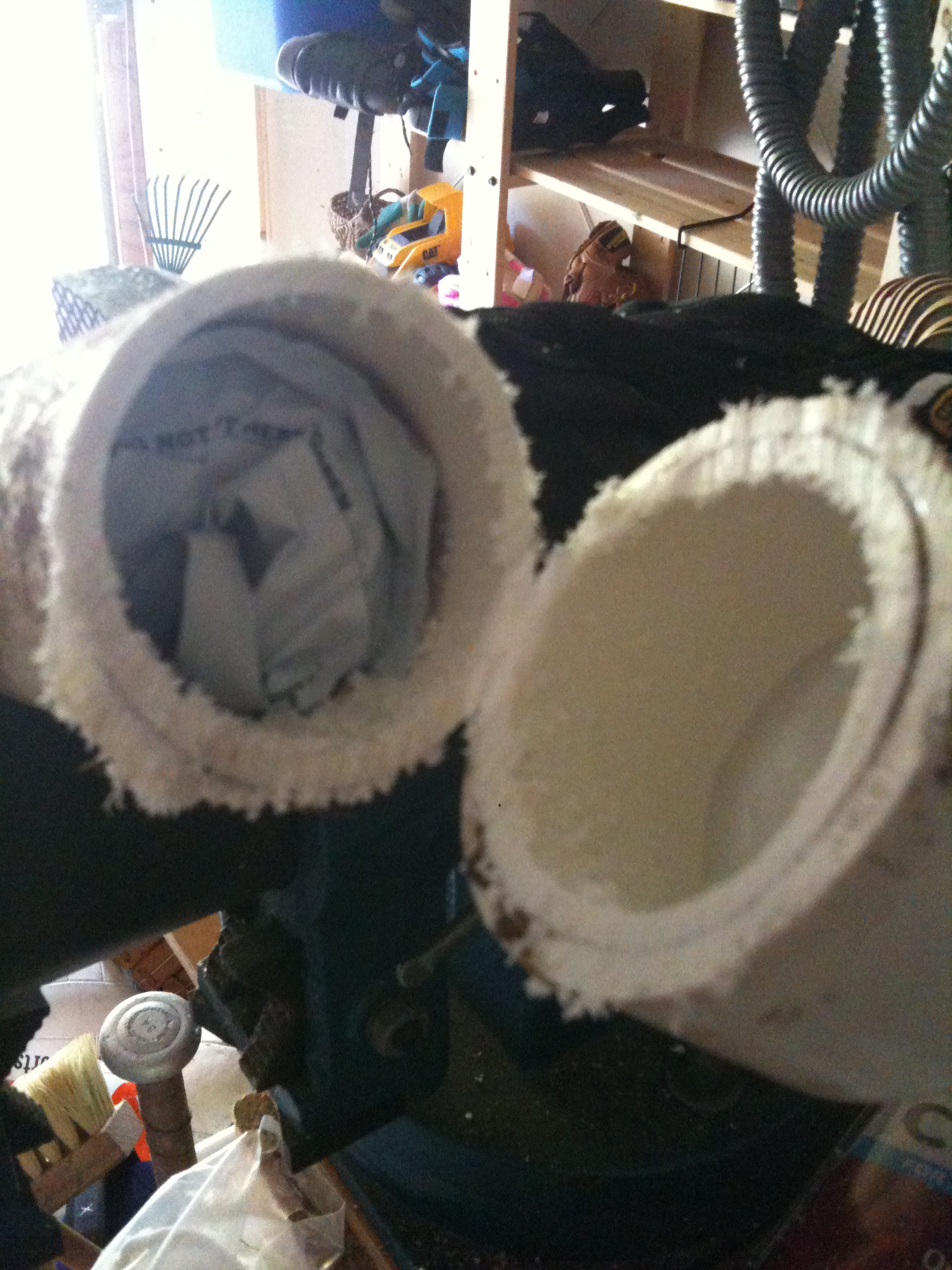 Our small town has seen all the local banks go under except one. All changed hands literally overnight with the SWOT-style efficiency of the federal banking folks. You could use the ATM the day before the takeover, and the day after the takeover. No problem. NPR’s Planet Money team did a great story on the nuts and bolts of this.
But what would you do in a short-term emergency if you could *not* get cash out of your bank’s ATM? Or any other ATM in your town? And the emergency made it such that the bank employees could not get to work, so you could not even go inside the branch to write yourself a check?
You might consider an addition to your go bags of a small bundle of cash to use in an emergency. But if you do, it might not be wise to have that cash sitting with the rest of your go bags in your garage. Our solution is to bury it on our property where it can quickly be accessed but is not findable by a burglar. We don’t keep cash or anything near it’s equivalent in our house for security reasons. But with this small amount of emergency cash, we’ve got enough to get by for a few days on the road, assuming the ATMs are not working.
Using a sealed plastic pipe (not metal, think metal detectors), we’ve kept cash on hand this way for years, safely and discreetly. This year I finally got smart and transitioned from a sealed pipe that had to be cut open to one that has a plunger style rubber gasket for waterproofing that can be opened without destroying the pipe. Add a few packs of oxygen absorbers and your cash will stay dry and mold-free.
“In Transition 1.0” the film
Posted: July 15, 2010 Filed under: 1. Philosophy, 2. Water Security, 3. Food Security, 4. Energy Security, 5. Alt Transportation, 6. Personal Training, 8. Wealth Management | Tags: In Transition 1.0, Transition Towns Comments Off on “In Transition 1.0” the film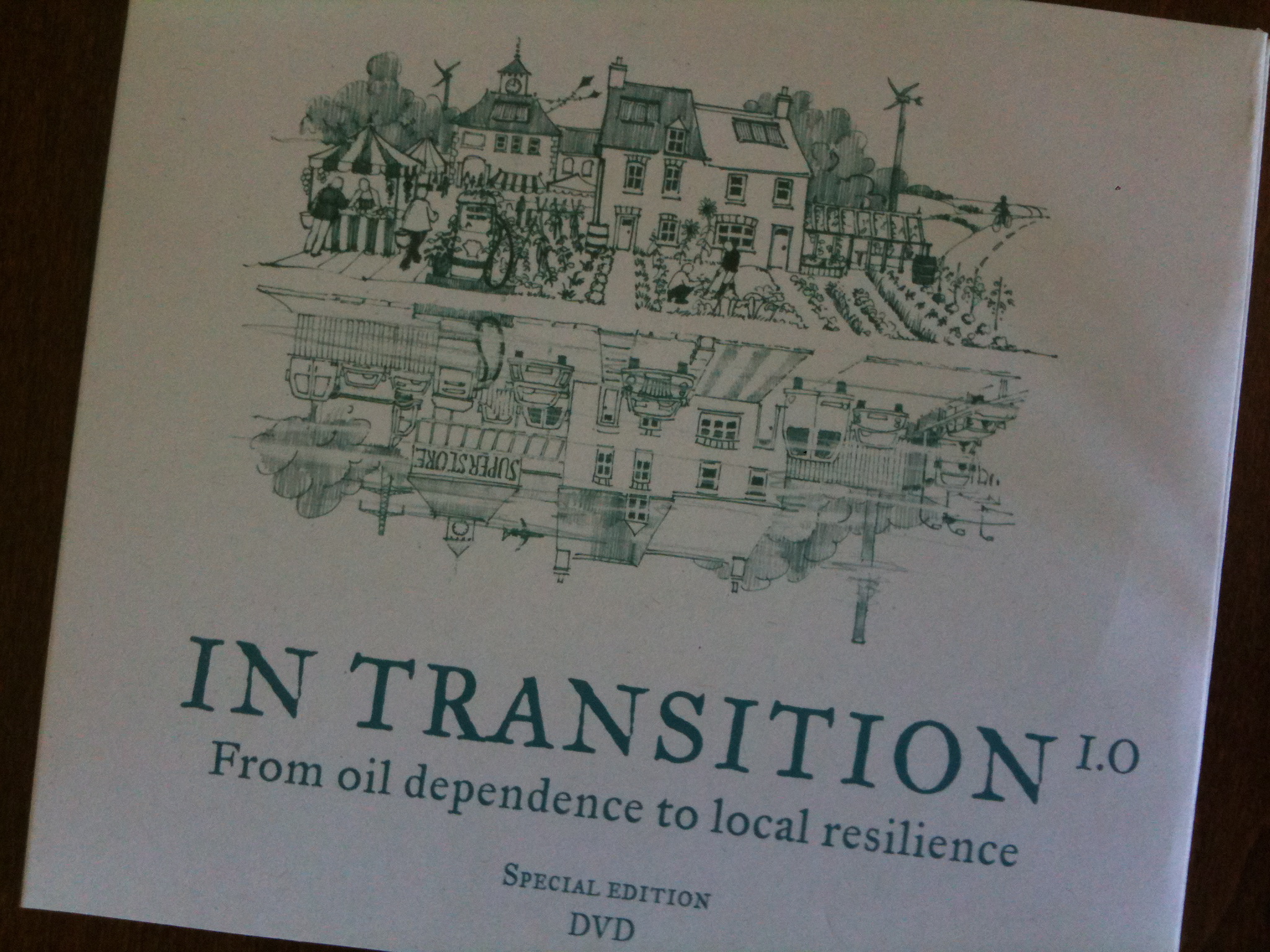 Wow.
Wow.
I think this short collection of vignettes may have just set the direction for my personal and professional time for the next 5+ years.
Highly recommended.
Protecting your cash assets from hyperinflation
Posted: September 25, 2009 Filed under: 8. Wealth Management | Tags: emergency preparedness, prepper Comments Off on Protecting your cash assets from hyperinflation For a great summary on how we got into the mess we’re in, check out the NPR podcast “Return to the Giant Pool of Money“. If you don’t use iTunes, do a search for episode #390 of the This American Life show from Chicago Public Radio from just a few weeks ago.
In the podcast, they mark the anniversary of the economic collapse: recapping some of the original episode and finding out what’s happened to the folks featured in the story in the year since.
My main takeaway: the economic collapse was not something They did, but something We did. We (you and I) are the global pool of money. This is not something we can blame on Wall Street, but on basic human greed, seen at a catastrophic global scale.
And while we’re talking about money, you might look into just how secure (or not) your bank account is. Use this tool and go for B+ or higher rated bank.
Investing for the Peak
Posted: September 14, 2009 Filed under: 8. Wealth Management | Tags: emergency preparedness, prepper Comments Off on Investing for the Peak

- General Electric (NYSE: GE): largest producer of domestic wind turbines and innovative new hybrid locomotives
- Zoltek (NASDAQ: ZOLT): US based maker of carbon fiber, which goes into modern wind turbines (and really cool bicycles)
- Toyota: clearly the leader in hybrid vehicles for consumers, particularly with their upcoming plug-in hybrid (PHEV). Although Peak Oil will likely send all vehicles to the junkyard early, Toyota seems best positioned as a good investment during these transitional years.
- Railroads; Gates, Buffet, and Soros are all buying into Canadian National Railway, Burlington Northern, Union Pacific, Norfolk Southern, and CSX.
 Opt Out En Masse