Injured chicken + chicken tractor = ?
Posted: August 26, 2009 Filed under: 3. Food Security | Tags: chicken tractor, portable chicken coop Comments Off on Injured chicken + chicken tractor = ?One of our Dominiques was getting her butt kicked – literally – by the rest of the chickens a couple of weeks ago. By the time we got to her she had a seriously bloody butt and no feathers left back there.
After separating her and her brood sister off in a temporary pen, I begin pondering solutions. What to do with an injured chicken when you are relying on a portable chicken tractor for the flock, rather than a stationary coop?
I was puzzled for a few days, almost ready to build a second much smaller chicken tractor (and effectively double my daily chicken chores), when I decided to instead try a simple modification to the existing 10′ square tractor.
Here’s a video of the modification (just a line of pipe + wire to separate off an 18″ sliver of the tractor) and the resulting standoff once we reintegrated the birds. Imagine the Gunsmoke theme, or perhaps when the Outsiders lined up against the rival gang. The chickens lined up along the new partition, flapping their wings, pecking at the wire, and giving each other the evil eye. It was hilarious. Well, “hilarious” in a chicken standoff kind of way.
Chicken tractor :: learnings thus far
Posted: July 31, 2009 Filed under: 3. Food Security | Tags: chicken tractor, portable chicken coop Comments Off on Chicken tractor :: learnings thus far Learnings after two months of use with our Salatin-inspired chicken tractor:
- You can’t care too much about your lawn if you use a chicken tractor on it. Even with our portable dust bath box – which they seem to like quite a bit – you are going to get holes in your lawn. I’m currently going around once a week sprinkling seed and a bit of seed starter soil mix on those holes.
- Giving a quick rinse to the ground that you just moved the coop from gives a big head start to the droppings dissolving into the ground. Important when you still have two little kids wanting to run and play on that lawn.
- The hardware cloth skirt actually works to keep digging predators at bay. The PVC pipe on the outer edge allows it to float with the tractor when moving it, rather than getting bogged down. This would definitely *not* work with normal chicken wire (too flexible).
- In this hot, hot summer I’m having to water this portion of our lawn to keep it alive so the chickens can eat on it. Normally I’d let it go brown. Adding the cost of our water and electricity (water pump) to this project is not exciting.
- We’ve added a separate “chicken scraps” bowl to our kitchen counter that sits beside the “compost scraps” bowl. We’re diverting apple cores, bread crusts, etc to the chickens to supplement their feed.
- We just planted comfrey, which performs several minor miracles, even though most folks think of it as a weed. We’re using it specifically to accelerate our compost piles and as a chicken feed. Hey, grow your own free chicken feed! Hat tip to the Deliberate Agrarian for the comfrey knowledge transfer.
- Tying a rock to the edge of the tractor allows the chickens to peck on something hard, wearing down their always-growing beaks.
- Weld two sets of small metal tubes together for the trapdoor joints; the PVC ones already broke. Still OK, though, since zip ties hold the hinge in place.
- Two trap doors instead of one. When we place everything inside (2 nest buckets, 1 waterer, 1 feeder, 1 dust bath box), that one quadrant gets a bit hectic. Although it does allow the other three quadrants more open space for the chickens to scoot around in.
- Add a temporary divide wall to section off a portion of the coop when introducing (or reintegrating) new birds into the flock. I’ve currently got one of our Dominiques off by herself recovering from almost getting pecked to death by the others. I’m thinking of segmenting off a couple of feet down one side of the tractor just for her when reintegrating her.
Food quality and storage
Posted: July 23, 2009 Filed under: 3. Food Security | Tags: emergency preparedness, prepper Comments Off on Food quality and storage We’re continuing to see some mainstream attention on the lack of food quality in the US (evidence: Roger Ebert’s un-review of the new movie Food, Inc). Now to get the North American’s attention on the next step towards true sustainability: food security via local micro-farms, micro-ranchs, and our own yards.
Favorite garden tools
Posted: July 18, 2009 Filed under: 3. Food Security | Tags: food forest, permaculture Comments Off on Favorite garden tools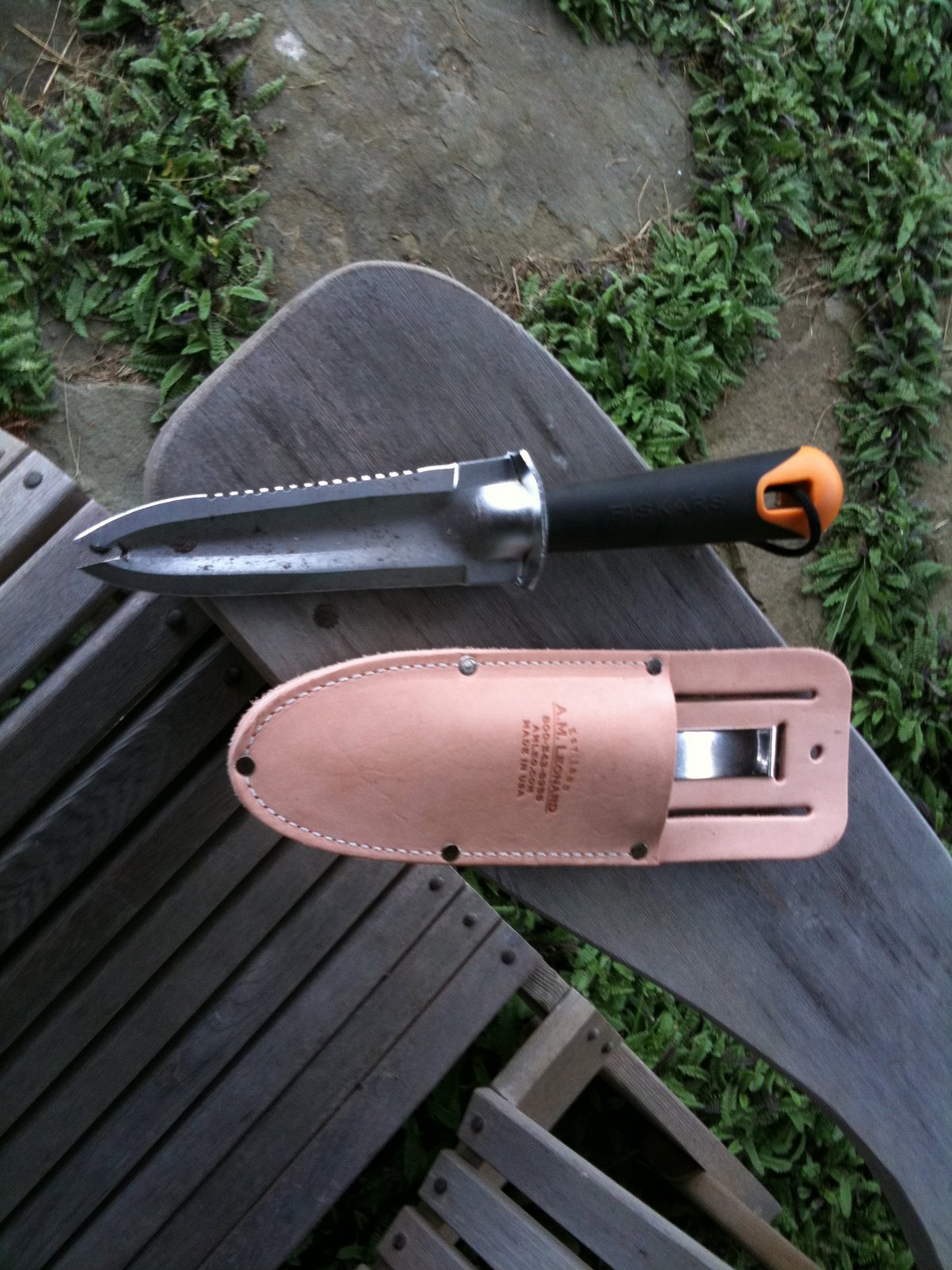
Chicken breeds
Posted: July 16, 2009 Filed under: 3. Food Security | Tags: chicken tractor, portable chicken coop Comments Off on Chicken breeds
Chicken tractor 101
Posted: July 13, 2009 Filed under: 3. Food Security | Tags: chicken tractor, portable chicken coop Comments Off on Chicken tractor 101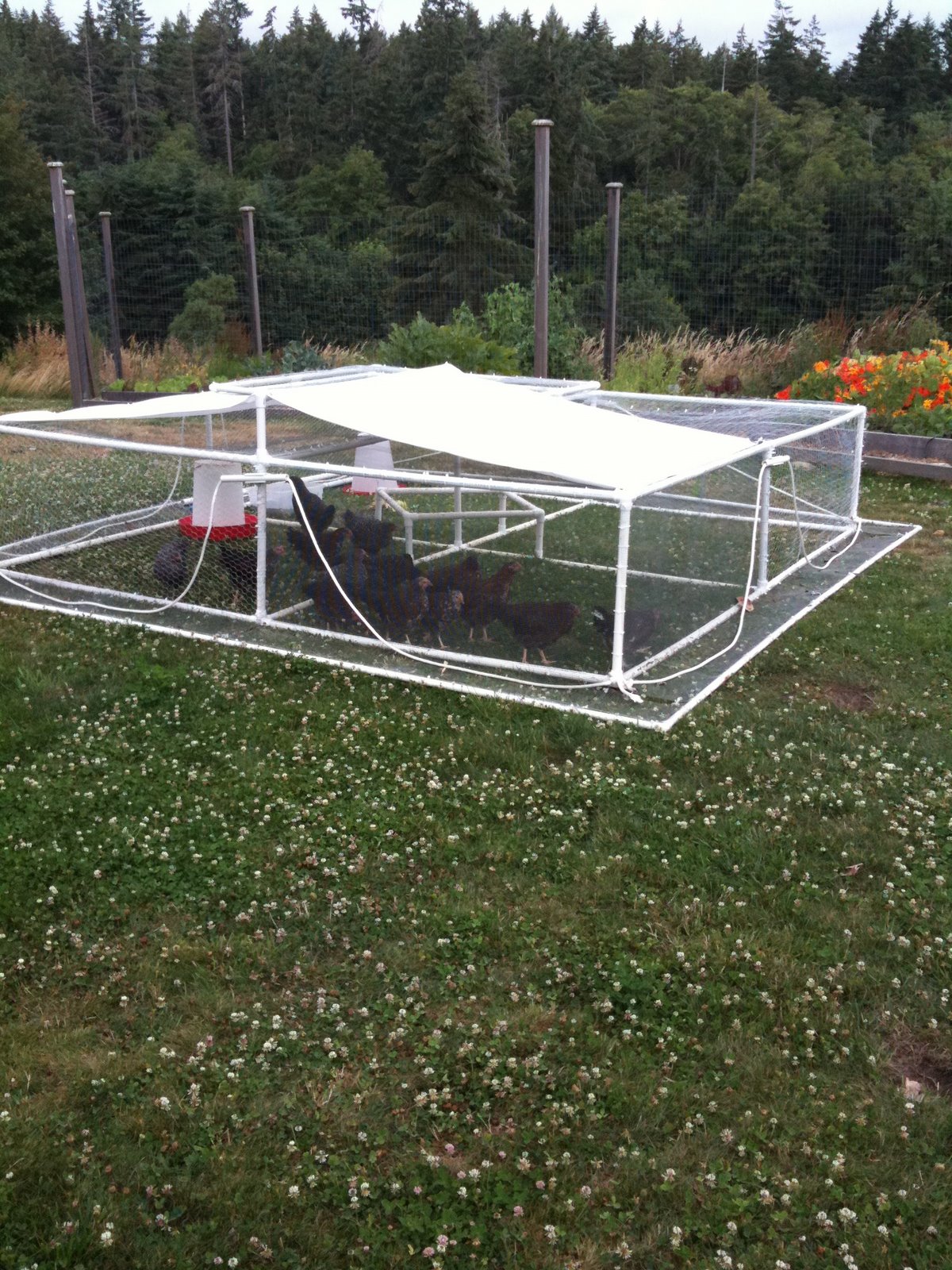
- Fresh grass daily means healthy happy chickens = healthy eggs = healthy family.
- Moving the coop daily means no buildup of droppings, thus no smell nor diseases.
- My lawn is finally useful. 🙂
Victory Gardens 2009
Posted: July 8, 2009 Filed under: 3. Food Security | Tags: food forest, permaculture Comments Off on Victory Gardens 2009 Victory Gardens were the rage during the last two World Wars. 2009 is seeing a resurgence of them for various reasons. [for those who asked, here’s a collection of more hip VG posters]
- almost zero carbon footprint,
- beyond organic nutritional value,
- life lessons it teaches my children,
- bonding it provides as a shared hobby with my wife,
- barter with other neighbors doing different crops/projects (e.g. honey, soaps, skim balms)
- and the food security it provides, should our local grocery store begin to experience food shortages or rapidly increasing prices due to fuel surcharges. In the mean time we simply save money and eat better.
Our upper gardens are all raised beds for vegetables. Lower gardens have raised vegetable beds cut into the hillside as well as a baker’s dozen of three year old fruit trees.
 Opt Out En Masse