No go on hot beds
Posted: July 31, 2010 Filed under: 3. Food Security | Tags: cold frame, hot bed Comments Off on No go on hot beds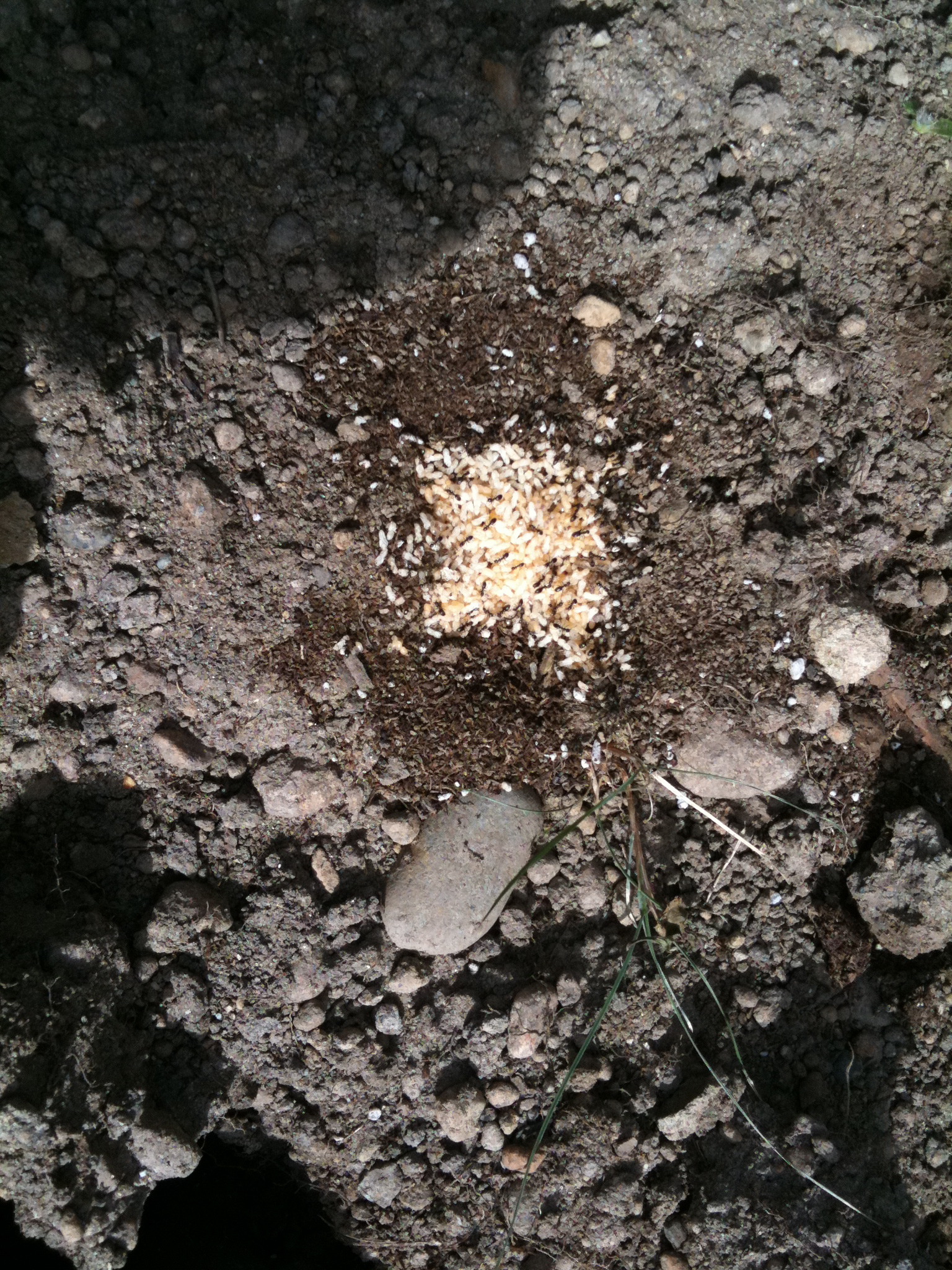 While watching the hot beds’ performance this past spring, the number of mature seedlings appearing in the hotbeds was significantly lower than the cold frame. It was primarily insects making a meal of the just-sprouted seedlings.
And once summer arrived, everything in there got scorched on a single hot day when I failed to vent it. Oops. Bummer for me.
I’ve permanently dismantled these hot beds for another reason, however. I did not think through the potential consequences of using actual glass windows (freecycle find) in the hot beds.
Given that we have two small children and one rambunctious dog running nilly willy right next to these all day long, it was only a matter of time before a sports ball or leg stepped right through the glass. And the glass is old school, non-safety glass. They’d probably go into shock from a massive cut before I could even get the EMTs here.
Upon disassembling the hot beds, I found multiple, significantly-sized ant nests. No wonder I could not get anything to grow in those things. I had similair issues with our floating row covers late winter / early spring which made for cozy homes for a myriad of not-helpful insects and slugs. For those of you who use hot beds and row covers to extend your growing seasons, how to you handle the significant increase in destructive insects?
I’ve gone back to heavy use of our single cold frame on our back deck that uses the solexx type material. Will likely either purchase a couple more of these in the fall and keep them up on the deck, or splurge for the full $750 solexx greenhouse kit and do battle with the insects again on the ground.
“In Transition 1.0” the film
Posted: July 15, 2010 Filed under: 1. Philosophy, 2. Water Security, 3. Food Security, 4. Energy Security, 5. Alt Transportation, 6. Personal Training, 8. Wealth Management | Tags: In Transition 1.0, Transition Towns Comments Off on “In Transition 1.0” the film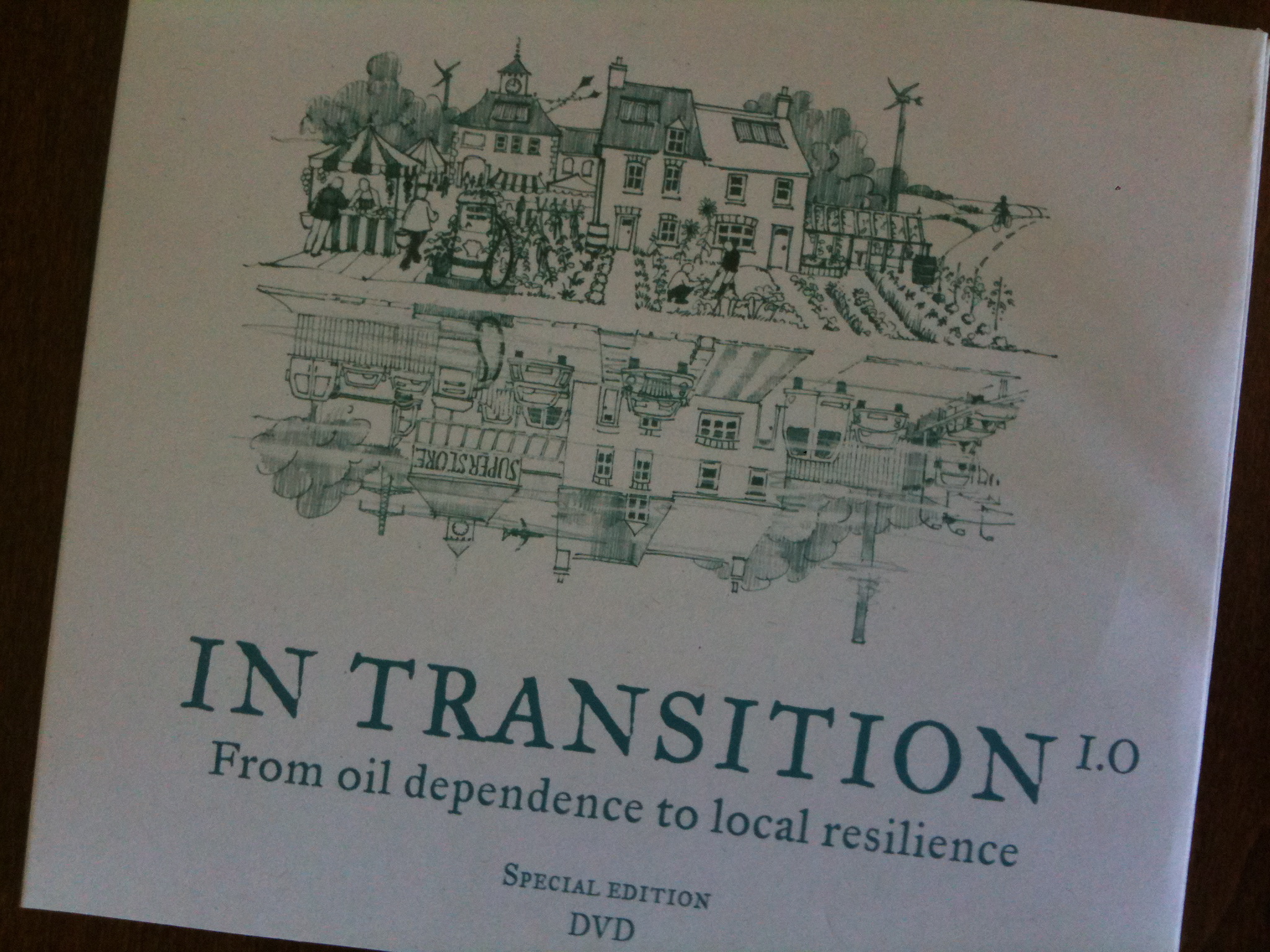 Wow.
Wow.
I think this short collection of vignettes may have just set the direction for my personal and professional time for the next 5+ years.
Highly recommended.
Living with an EPI dog
Posted: June 6, 2010 Filed under: 3. Food Security, 7. Physical Security | Tags: Canine Enteric Support, EPI, Exocrine Pancreatic Insufficiency, german shepherd dog, GSD, raw food diet Comments Off on Living with an EPI dog Our new security system, er, I mean, German Shepherd dog, has a condition fairly common to GSDs known as Exocrine Pancreatic Insufficiency. The dog’s pancreas does not work properly and requires supplements to help them absorb their food properly. The EPI is partly why our dog is on the thin side and definitely why her coat is brittle; she’s just not getting the nutrition she needs from her food.
We’re going to approach this two ways with our new rescue dog. First, we’re switching her (slowly) from kibble to a (controversial with some) raw food diet. Second, we’re switching her from the current EPI supplement that came with her to a homeopathic, more natural version, called Canine Enteric Support. Our local vet is thankfully certified as a full vet plus trained in a number of holistic medical techniques. And he’s an enthusiastic supporter of the raw diet for dogs. I thought he might throw me out of his office when I mentioned our interest in feeding the dog raw; instead he says that’s the #1 thing to bring her health back.
Were’s starting out getting the raw dog food via mail order until I can build a reliable source among local chicken friends who process meat birds. I suspect both changes will greatly increase this dog’s health.
Fighting obesity in our country
Posted: April 11, 2010 Filed under: 3. Food Security | Tags: Jamie Oliver Comments Off on Fighting obesity in our country Another TED speaker who really nailed his topic is an English bloke named Jamie Oliver. He’s a chef and an evangelist on a crusade to un-fatten America.
Why us? Because he (correctly) recognizes that if we change our lousy eating habits and toxic food, the rest of the world will follow. Well, that and research clearly shows that we are the fattest, laziest country in the world. Geesh.
How the hell did we go – in such a short amount of time – from having the top minds, top bodies, and top results in the world to a scenario where US children can’t recognize a tomato? If you are like me, when you watch this video you’ll say WTF? at least half a dozen times when looking at the data and case studies Oliver has gathered on our country.
Shrooms
Posted: April 8, 2010 Filed under: 3. Food Security | Tags: morels, mushrooms Comments Off on Shrooms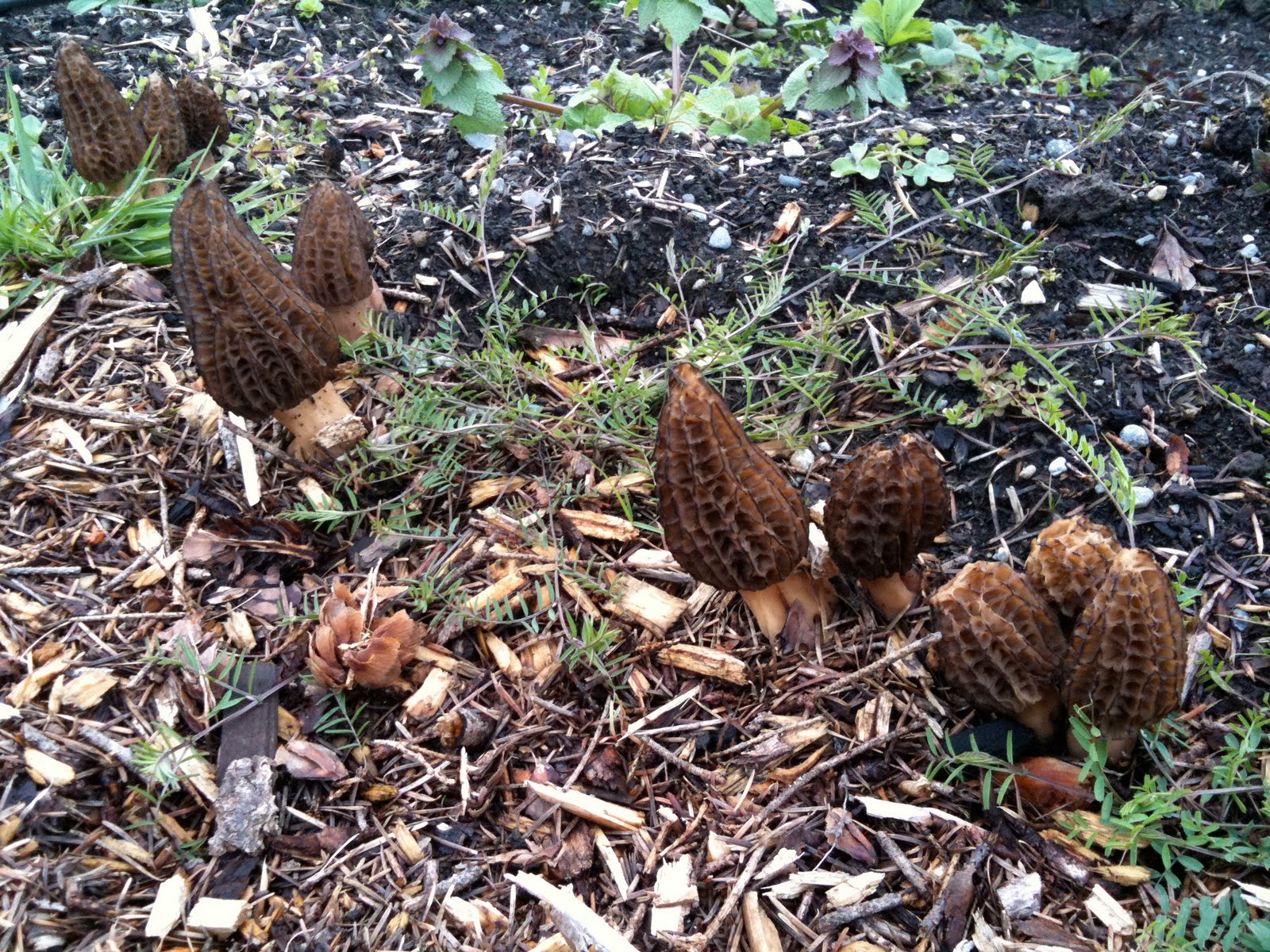
Oh my gosh. We have morels. We have HUNDREDS of morels. In the middle of our food forest.
I was walking through checking our our potatoes in the ground and the buckets (ones in buckets are growing significantly faster, maybe warmer soil?) and I noticed these things popping up throughout our fruit tree guilds. Ignore the weeds in the nearby photo and take a look at those beautiful mushrooms.
I now have a rival for what I am more excited about, the garlic versus the morels. Wow!
How to use row covers
Posted: April 5, 2010 Filed under: 3. Food Security | Tags: emergency preparedness, food forest, prepper Comments Off on How to use row covers
This past winter we got to start eating our own salad again in February thanks to an experiment with floating row covers
Wow. What a difference this stuff makes. Suggestions: use wooden clothes pins for an inexpensive, easy-to-remove fastener on top of the wire frames.
Between these covered beds in both the raised bed section and the food forest, our cold frames, and our hot beds, we’ve been eating well and have a serious jump start now that spring sunshine has arrived.
How to build a chicken tractor :: version 2.0
Posted: April 2, 2010 Filed under: 3. Food Security | Tags: chicken tractor, portable chicken coop Comments Off on How to build a chicken tractor :: version 2.0
All the birds were OK, just wondering where their roof went. I retrieved my son from school early, bought the largest fishing nets we could find, and tracked down our birds wandering around the pasture before the daily sundown coyote pack visit.
- Aesthetics (for us and neighbors)
- Wind management for entire coop + nest boxes
- Coyote/Raccoon proof
- Weight for daily movement
- Manageable trap door and access to nest boxes for my kids
- Cleaner eggs
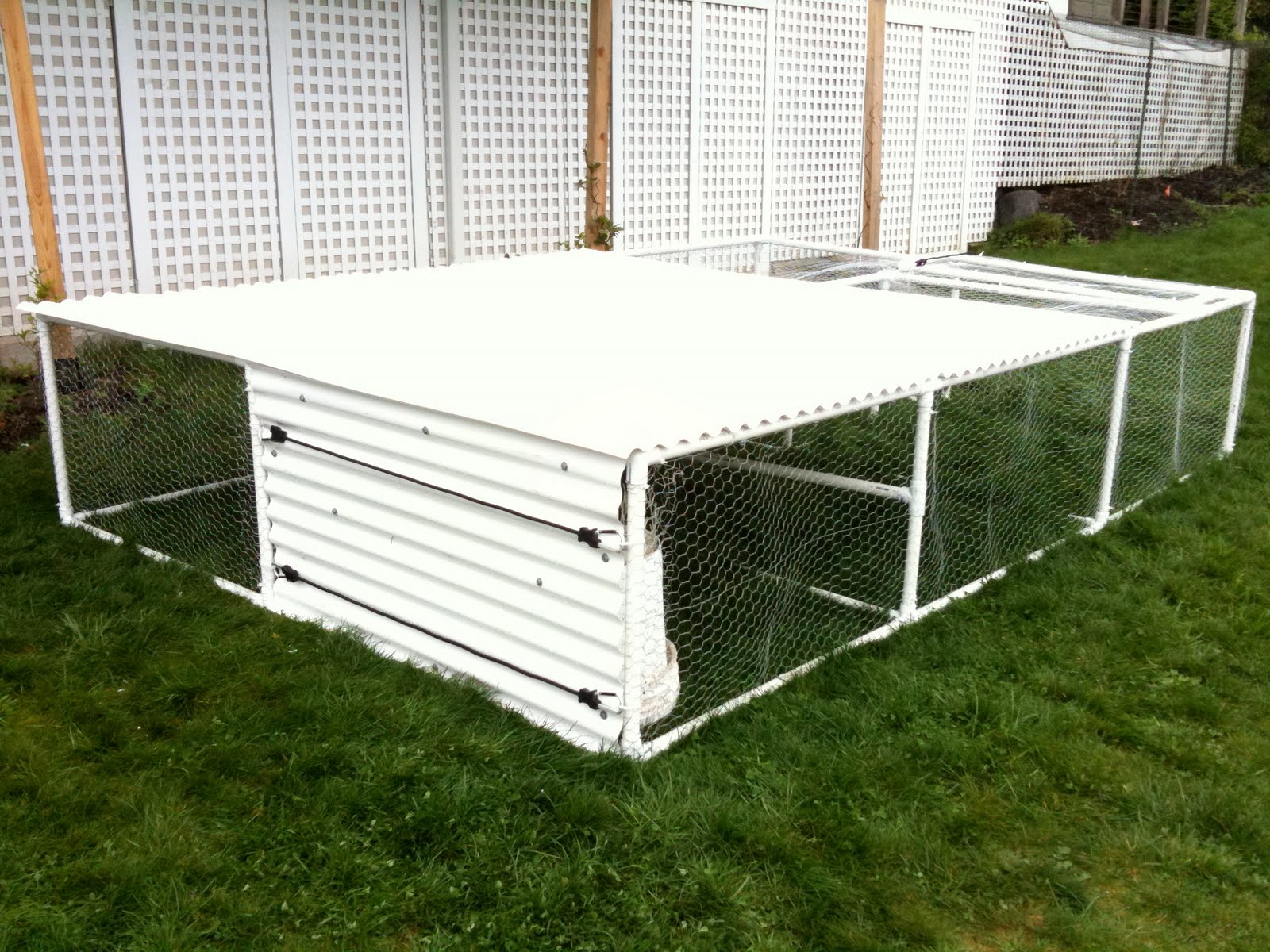
- Flat roof. There are zero flat areas in my back yard, so a flat roof will still shed rain well since the entire coop is always at an angle. The new flat roof allowed me to get away from tarps, which never stay tight nor look attractive for long.
- Solar electric fence
to replace the hardware mesh skirt. The skirt *is* effective against coyotes; we’ve found their scat right next to the coop several times. But it catches on the pasture grass and makes daily movement of the tractor difficult for my wife.
- Horizontal access door (replacing a vertical accessible hatch). You can see it in the accompanying photo, held in place by carabiner lock bungee cords
to thwart the raccoons. See additional detail photos in the nearby photostream. The nest buckets are bolted to this door, which keep s them upright even in strong wind. My seven year old can lift off this panel to retrieve the eggs by himself. With the nest buckets secured, we can use straw rather than sand in the base, which makes for much cleaner eggs.
- 4′ additional roost space with 100% of it under roof. Old design only had 8′ of roost space with 2′ open to the sky (rain).
- Do a dry fit before applying pipe cement and drilling holes.
- Remember overall lengths increase when adding fittings by about 1”. Adjust your pipe lengths accordingly.
- I considered using cattle panels, but at 36 lbs for every 50″ x 16′ section, they would add too much weight. Same for wood versus water pipe. Weight considerations drove alot of our decisions.
- Corrugated plastic roof panels
- Bolts to secure panels (2″ with wide washers and locknuts)
- Silicon to make drill holes for bolts waterproof
- Water pipe (1″ schedule 40)
- Pipe fittings (esoteric ones here)
- Chicken wire (2′ roll)
- Solar electric fence
- 17 gauge wire for electric fence
- 14″ screwdriver to act as a ground for electric fence
- Zip ties (lots and lots)
- Pull ropes with clamp-on end hooks
- Ground stakes
used for dogs to secure coop in high wind
The joys of garlic
Posted: March 23, 2010 Filed under: 3. Food Security | Tags: food forest, permaculture Comments Off on The joys of garlic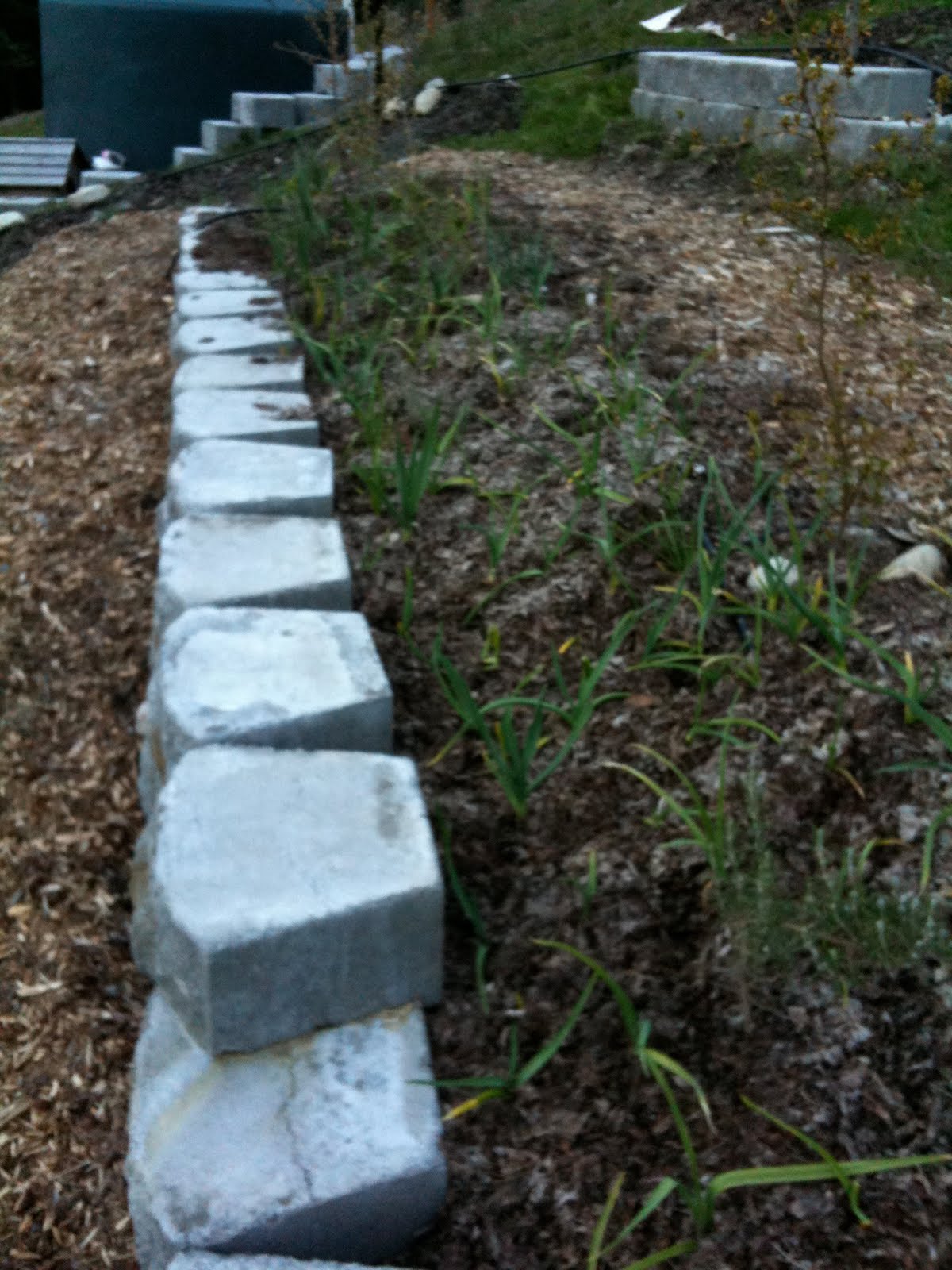
This photo does not really do justice to how exciting of a scene this is: 50′ of garlic. About eight varieties.
Anytime someone is our family gets sick (which is often with little kids), we cook with garlic for a week and it seems to keep the cold/flu from rampaging through the entire family. It’s pretty cool to see a two year old pulling cloves out of the baked garlic, mashing it on homemade bread, and scarfing it down.
This book was particularly helpful for selecting garlic that does well in our area, planting it right, and learning how to harvest/store it to last for months: Growing Great Garlic: The Definitive Guide for Organic Gardeners and Small Farmers
Oh my gosh, I cannot wait.
The progression of a chicken tractor
Posted: March 18, 2010 Filed under: 3. Food Security | Tags: chicken tractor, portable chicken coop Comments Off on The progression of a chicken tractor
Of our 14 layers in our chicken tractor, we’re getting 11 eggs/day during the warmer weeks and 7 eggs/day during the colder weather. Given that our springtime weather fluctuates from 60 degree days for a week down to snow flurries the next, these birds are likely confused a bit.
But given that our family’s daily intake for eggs is only 6 eggs/day, my son has already started his first official business selling the excess eggs to neighbors, $4/dozen. Not bad for organic eggs delivered to your door by a cute kid.
But all is not well the the Great Chicken Tractor. These birds have taken the idea of a pecking order to Olympic heights. One bird is not only clearly the Big Layer, she’s also the Big Bitch. the vengeance with which she pursues the lowest 50 percentile on the pecking order is amazing.
In fact, it’s likely to get her killed. If she keeps this up and one of the lower order birds gets pecked to death, the Big Bitch is going on our dinner table the next night. 75% of our birds have completely bald butts and throat areas. Significantly more feather loss than what molting might account for. And that’s how I ended up with purple hands for a week.
I found a product from England that both heals and leaves a bad-tasting film on the chickens’ skin/feathers. The birds are now running around with purple butts – which is hilarious – but I failed to read the instructions that the stuff seriously stains. Explaining my hands to the folks at the dojo was a bit embarrassing. I finally just settled on, “I was painting my chickens purple, of course.” when asked about it. Got some funny looks, to be sure.
Any other thoughts on excessive pecking behavior? Shoot me an email or add a comment. Thus far we’ve explored diet, space, weather, and stress. I’ve settled on stress, since we find coyote scat right next to the coop on a regular basis.
Adding potatoes to the garden
Posted: March 11, 2010 Filed under: 3. Food Security | Tags: food forest, permaculture Comments Off on Adding potatoes to the garden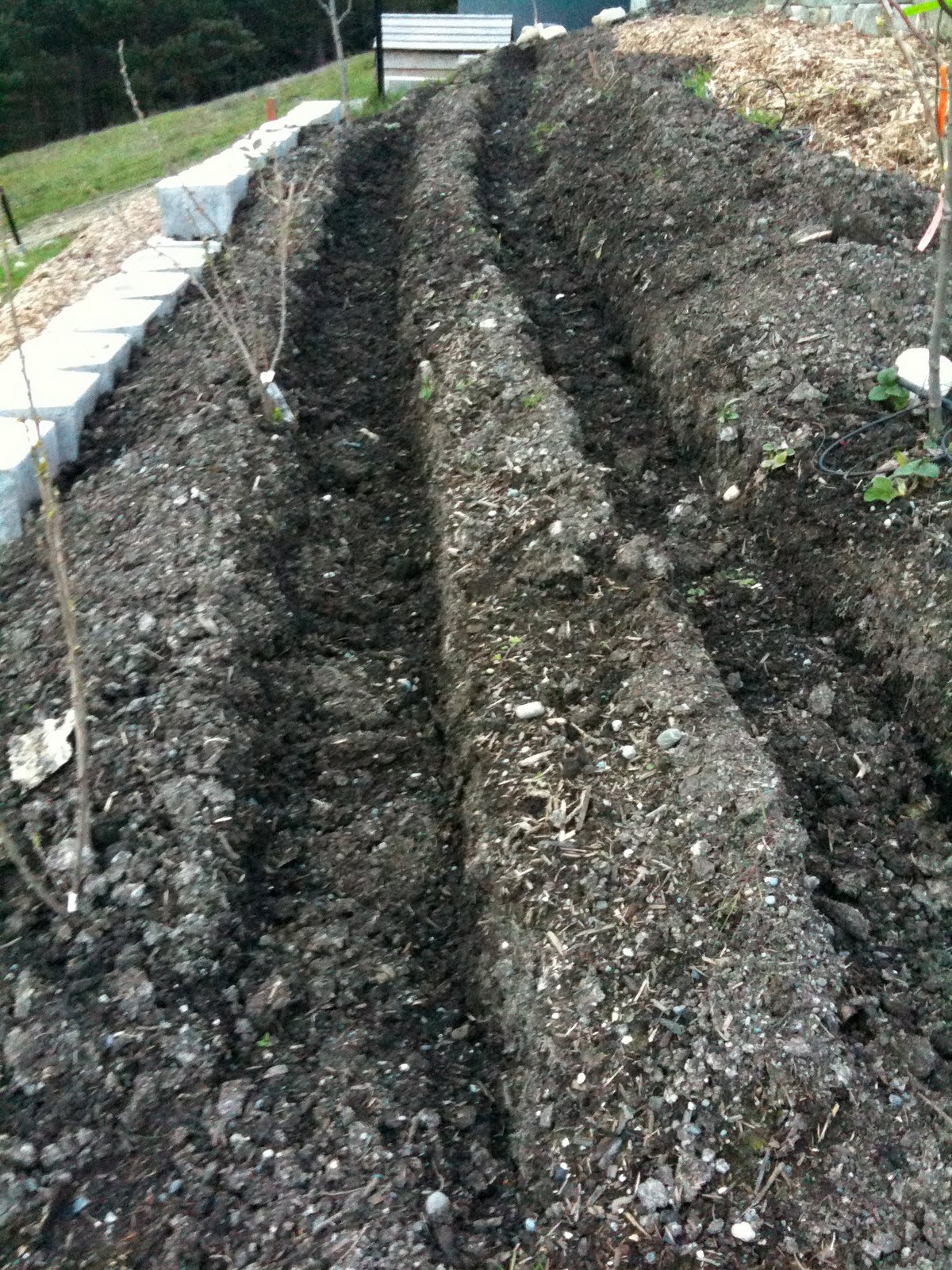
Back from another teaching gig and reinvesting in the garden.
Down in the food forest I added two sets of potatoes as an experiment. The first section is the fairly straightforward trench method so we can do hilling. I dug ~ 200′ of trenches, some in their own dedicated beds and some snaking around our new berry bushes and more two year old fruit trees.
In another section of the food forest that had a site prepped but no topsoil/compost (because I got tired of hauling compost this past summer) I added a line of buckets with potatoes in them. The plan is to add a second vertical layer of buckets (with the bottoms cut out) on top of these as we add more dirt to them during the hilling process.

I went with the buckets for the experiment (and a random trash can) rather than the more popular towers since not many folks actually *doing* the towers were getting good results. I found lots of articles citing the wonders of potato towers written by journalists, but it was clear none of them had actually planted these and watched over them for a season until harvest time. On the other hand, there are many more blog entries by folks actually doing the planting/harvesting with buckets.
And I had truckloads of extra buckets left over from planting the berry bushes and runs to the local deli/bakery for food grade 5-gallon buckets. Reminder: drill holes in the bottom for drainage.
The best part? At the end of the season, I spill the buckets over right where they are in the food forest to make a new bed for a different crop next year. Instead of hauling four yards of dirt down the hill in one day, I do it in small batches over several months…
 Opt Out En Masse